

Recently Added

All Free Downloads
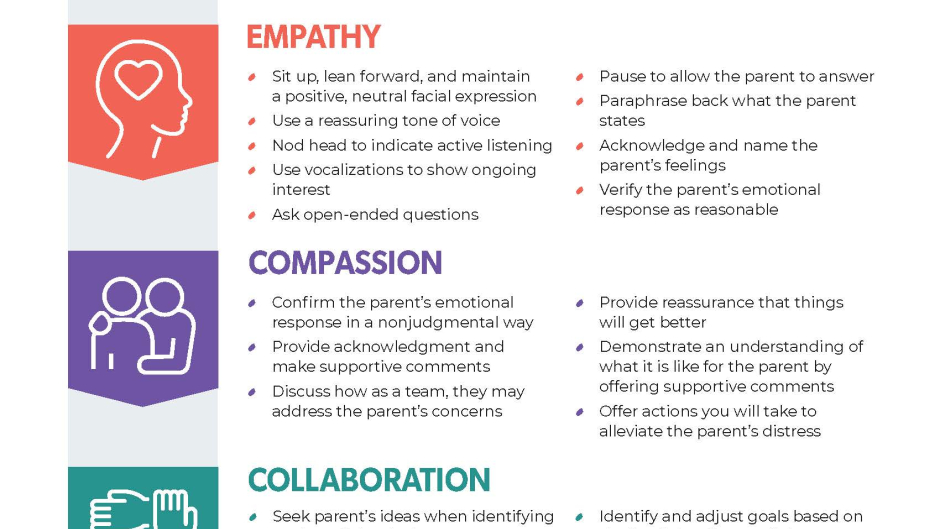
Building Effective Relationships: Core Skills for Compassionate Caregivers
Positive Social Interactions
Empathy
Compassion
Collaboration
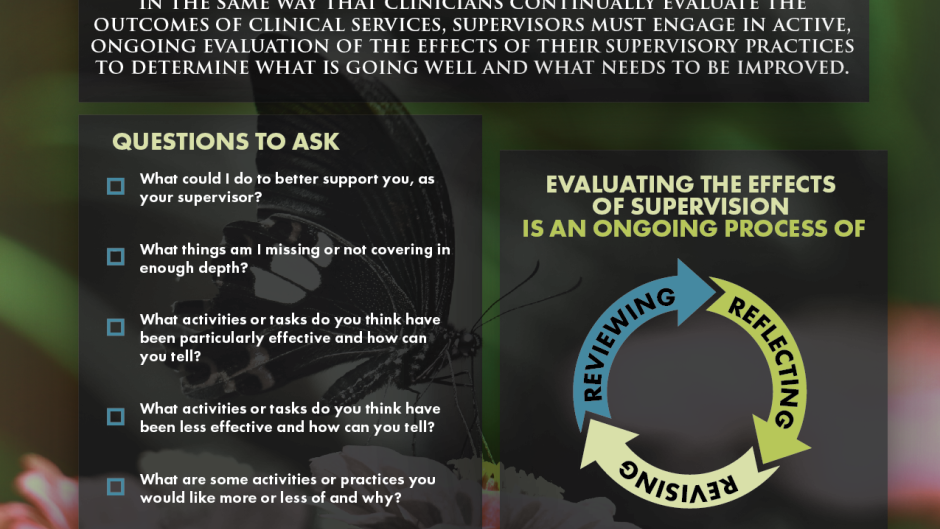
Evaluating the Effects of Supervision Part 2
In the same way that clinicians continually evaluate the outcomes of clinical services, supervisors must engage in active, ongoing evaluation of the effects of their supervisory practices to determine what is going well and what needs to be improved.
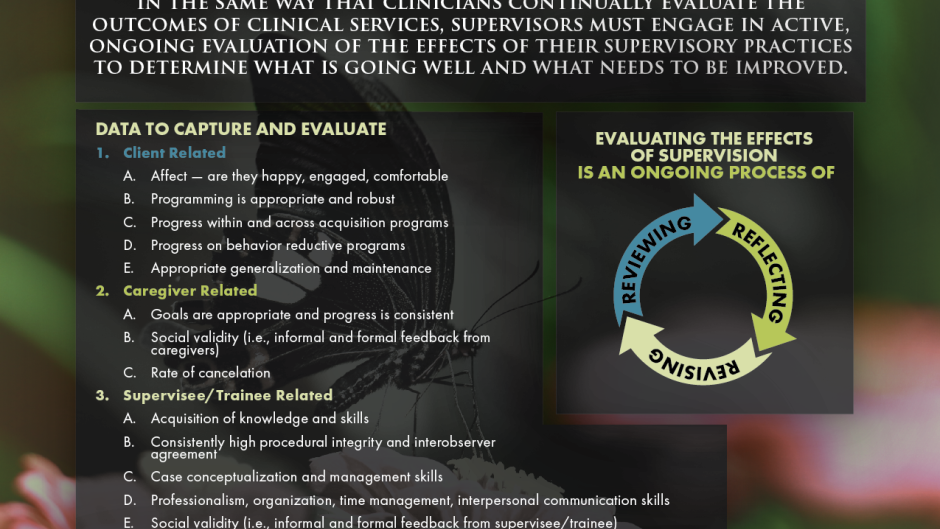
Evaluating the Effects of Supervision Part 1
In the same way that clinicians continually evaluate the outcomes of clinical services, supervisors must engage in active, ongoing evaluation of the effects of their supervisory practices to determine what is going well and what needs to be improved.
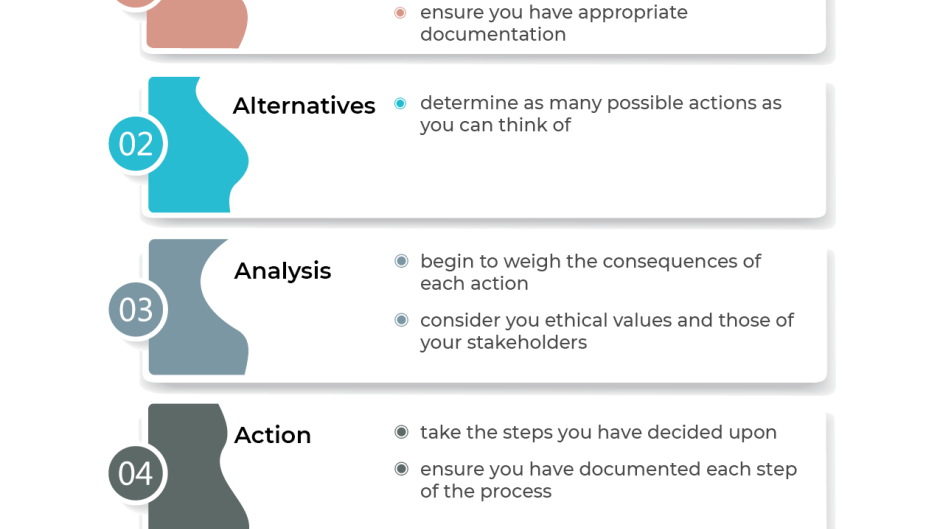
5 A’s of Ethical Decision Making
If you find yourself dealing with an ethical situation and needing guidance, try this adaptable but effective model that can be applied to any potential ethical problem.
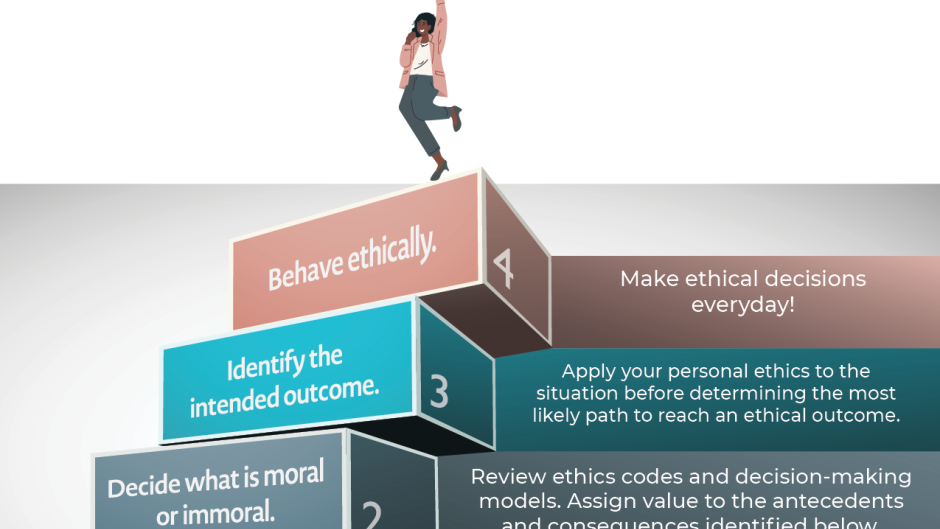
4 Steps to Building Ethical Behavior
Let’s make sure we know how to build ethical behavior. This may be necessary if you are new to making decisions or are trying to shape your behavior to become more ethical.
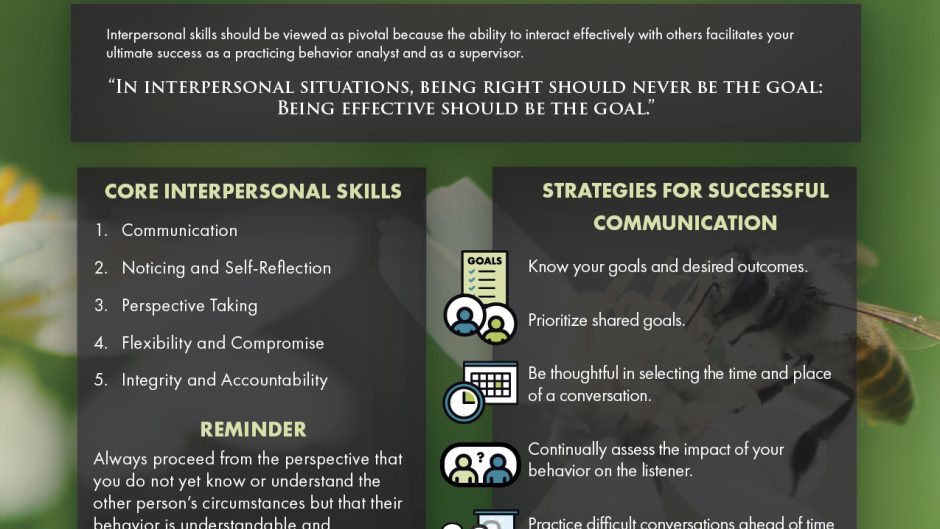
Interpersonal and Therapeutic Relationship Skills
Interpersonal skills should be viewed as pivotal because the ability to interact effectively with others facilitates your ultimate success as a practicing behavior analyst and as a supervisor.
The Wisdom Factor: Instructor Resources
Complete a short form to get a free, customizable teaching guide for using The Wisdom Factor in classes or workshops. You can adapt it as needed; just share the link with others who want their own copy.
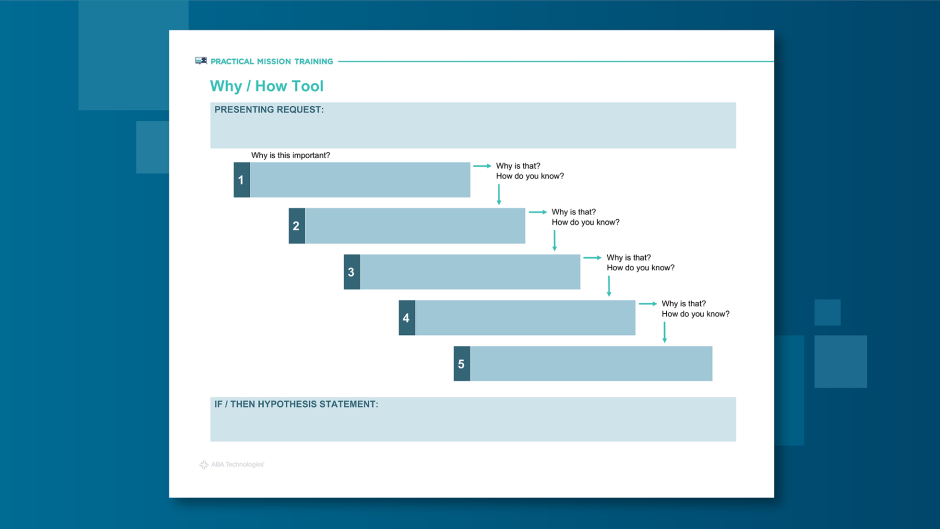
Why/How Tool
Use the Why/How tool to trace OBM problems to root causes and confirm you’re targeting the right system variables before changing performer behavior.

Organizational and Time Management (OTM) Skills Part 2
The goal is not to expect your supervisees and trainees to use the same OTM strategies that you use.